
About
Hi, I’m Keith.
I’ve spent more than 25 years producing conferences, meetings, and events, working with event technology, building software, hosting conversations, and trying to make the operational side of this industry a little less ridiculous.
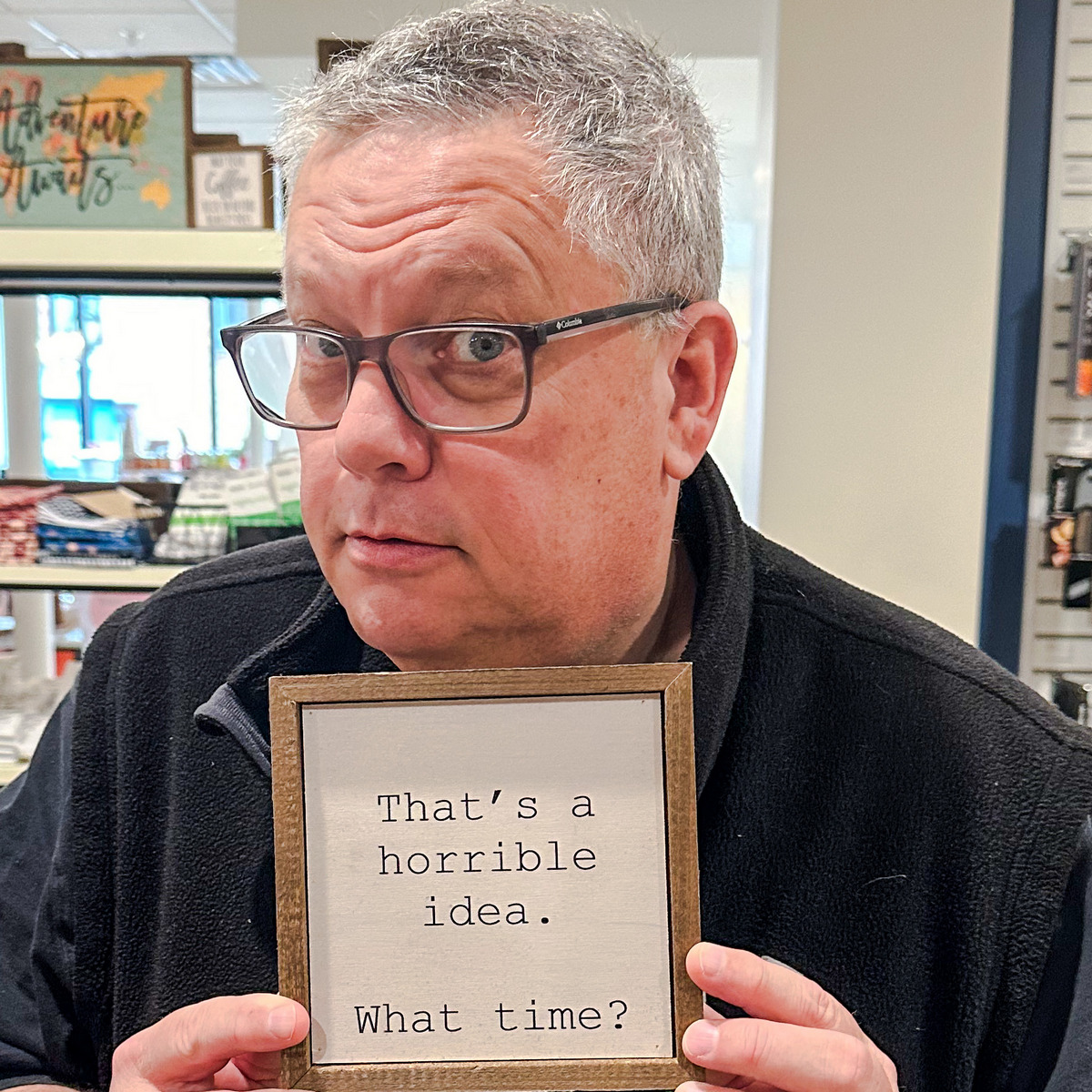
I originally started Plannerwire because the event industry has a remarkable ability to collect bullshit, repeat it, sponsor it, put it on a panel, and eventually call it best practice.
I love this business and the people who work in it. Association and corporate event teams are some of the smartest, hardest-working people I know.
But the industry around them does not always serve them particularly well.
Too much advice is shaped by sponsorship dollars. Too much technology is more complicated than the problem it was supposed to solve. And too many “thought leadership” conversations somehow end with the same companies explaining why planners need to buy more things.
Plannerwire is where I get to talk about that stuff.
How I ended up here
I’ve spent most of my career in the messy middle where event planning, production, AV, technology, logistics, and people all collide.
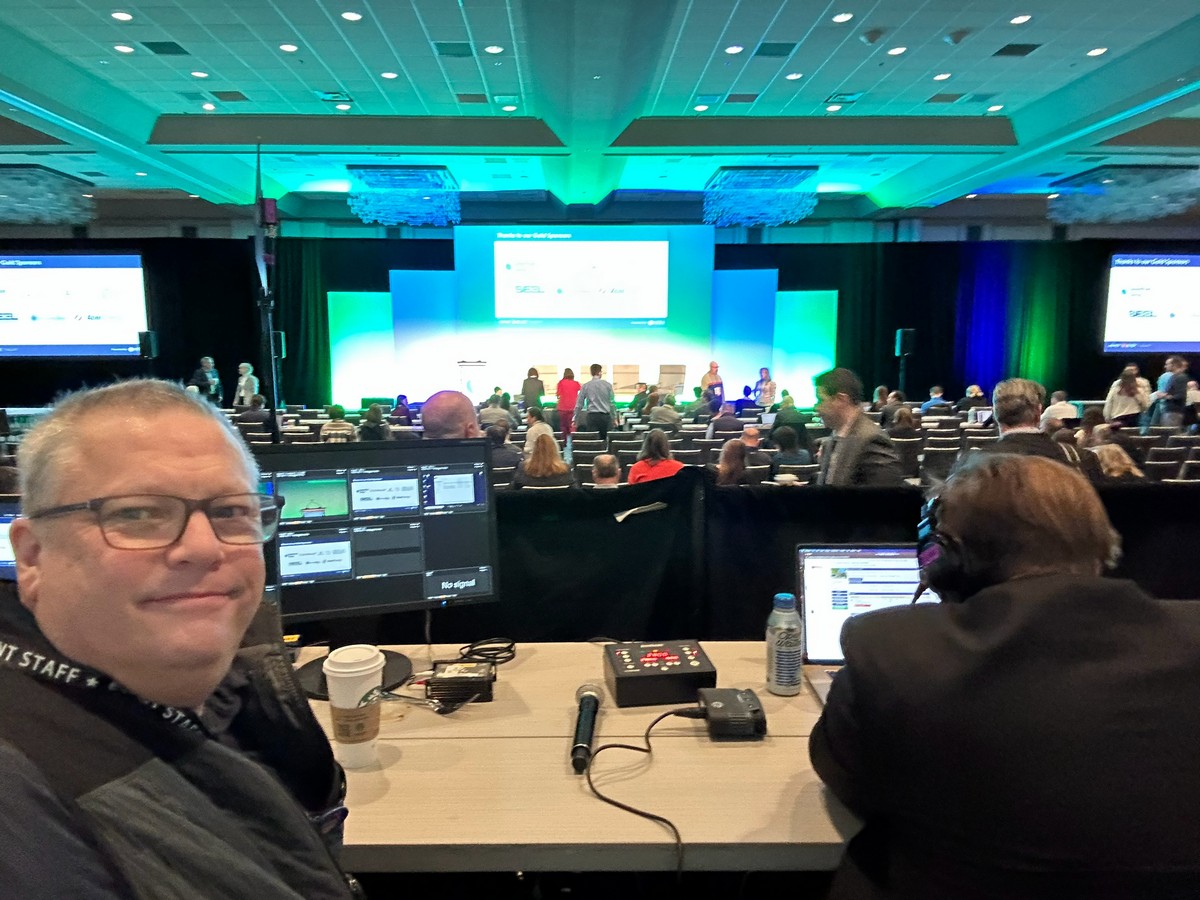
Through i3 Events, I work with associations, nonprofits, and corporate teams producing conferences, meetings, and events. That keeps me close to what actually happens after the strategy deck is finished and somebody has to make the ballroom work at 7:00 tomorrow morning.
Technology has always been part of that.
Years ago, one client was convinced their attendees wouldn’t register online. They preferred fax registration.
Yes. Fax.
I believed otherwise strongly enough that I paid for the online registration system myself and told them they could reimburse me if more than half the attendees used it.
About 98% did. They never went back to fax registration.
That probably explains a lot about how I ended up doing what I do.
Over the years, Plannerwire led to more writing, speaking, conversations, experimentation, and eventually other projects.
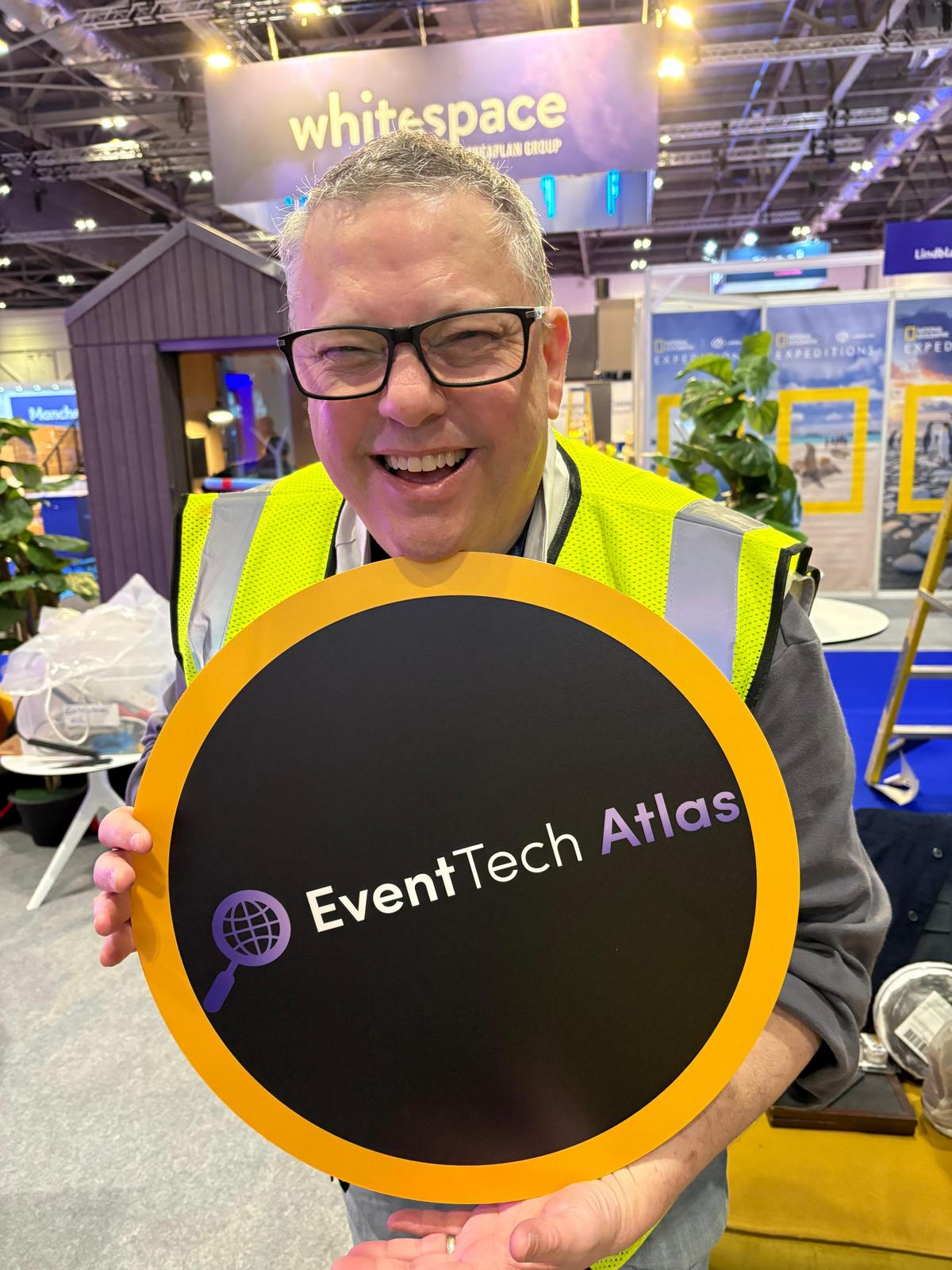
Event Tech Atlas grew from the belief that planners should be able to research event technology without wondering which recommendation exists because somebody bought a sponsorship.
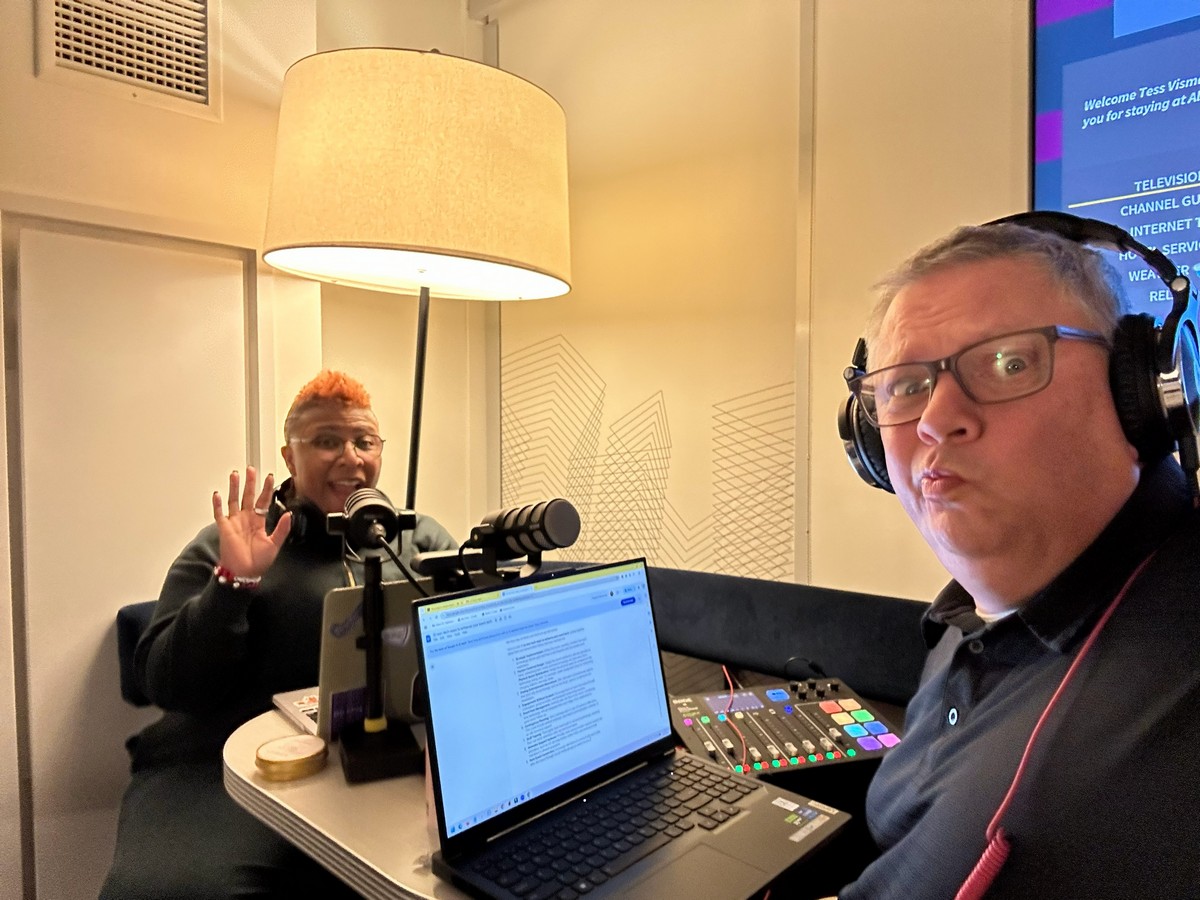
Event Tech Pull Up gives Tess Vismale and me an excuse to sit down with smart people and have conversations about technology, production, events, and the people making all of it work.
And through 42Ten Media, I get to help build small, practical software products that solve specific problems without attempting to become the operating system for Western civilization.
I like useful things.
A few things I believe
Technology should make an event easier to run.
If the solution requires three training sessions, six integrations, a certification program, and someone whose only job is administering the software, we may have wandered away from the original problem.
Planners deserve independent information.
Sponsorship is part of our industry. There’s nothing inherently wrong with that.
Pretending sponsorship never influences what gets promoted, discussed, awarded, or placed onstage is another matter.
Processes matter.
The boring, repeatable stuff should be predictable.
That gives event teams enough bandwidth to deal with the completely unpredictable thing that will inevitably happen at 2:17 PM on Tuesday.
Because something always happens at 2:17 PM on Tuesday.
Small tools can be really useful.
Not every operational problem requires an enterprise platform, a six-month implementation, and Chad from Customer Success scheduling a quarterly business review.
Sometimes you just need the damn thing to work.
People matter more than platforms.
Always.
Where you’ll find me
- i3 Events
This is where I actually produce events — conferences, meetings, AV, hybrid programs, and the million little details required to make them work.
- Event Tech Atlas
An independent directory and research resource for planners trying to figure out what event technology exists and what it actually does.
- Event Tech Pull Up
A podcast and video series with Tess Vismale featuring conversations about event technology, production, platforms, people, and whatever else we wander into.
- 42Ten Media
Where we build small software and media projects based largely on problems we have encountered ourselves.
- LinkedIn
Where I talk about events, technology, products, occasionally questionable ideas, and whatever else seems interesting that day.
Around the industry
I’ve been writing, speaking, podcasting, moderating, and sticking my nose into event-industry conversations for quite a while.
Small Market Meetings
Event Websites & UXWhova
Leadership & Event OperationsNorthstar Meetings Group
Event TechnologyCorporate & Incentive Travel
Event Industry PodcastingHubilo / Medium
My Event-Tech JourneyBetter
Producing Through the Pandemic
When I’m not doing this
Music is a pretty big part of my life.
I love live music, and I will happily build travel plans around a good show.
Over the past year that has included Coldplay at Wembley, Josh Groban in Belfast, and plenty of time at Garcia’s Chicago.
One of the great concert memories of my life is sitting in the eighth row for Prince on the Purple Rain tour.
Later this year, I’m working the green room for Los Lobos, which seems like a pretty good way for that story to continue.
I also spend an unreasonable amount of time around physical music, vintage audio equipment, podcasts, technology, and projects that begin with someone saying:
“This may be a terrible idea…”
Which brings us neatly back to Plannerwire.
So, what is Plannerwire?
Plannerwire is where I write about event technology, production, software, operational problems, things the industry gets right, things it makes far too complicated, and occasionally things everyone seems to agree with that I don’t.
Sometimes I’ll be wrong.
That’s fine.
The point isn’t to have the official industry opinion.
The point is to have a useful conversation.