
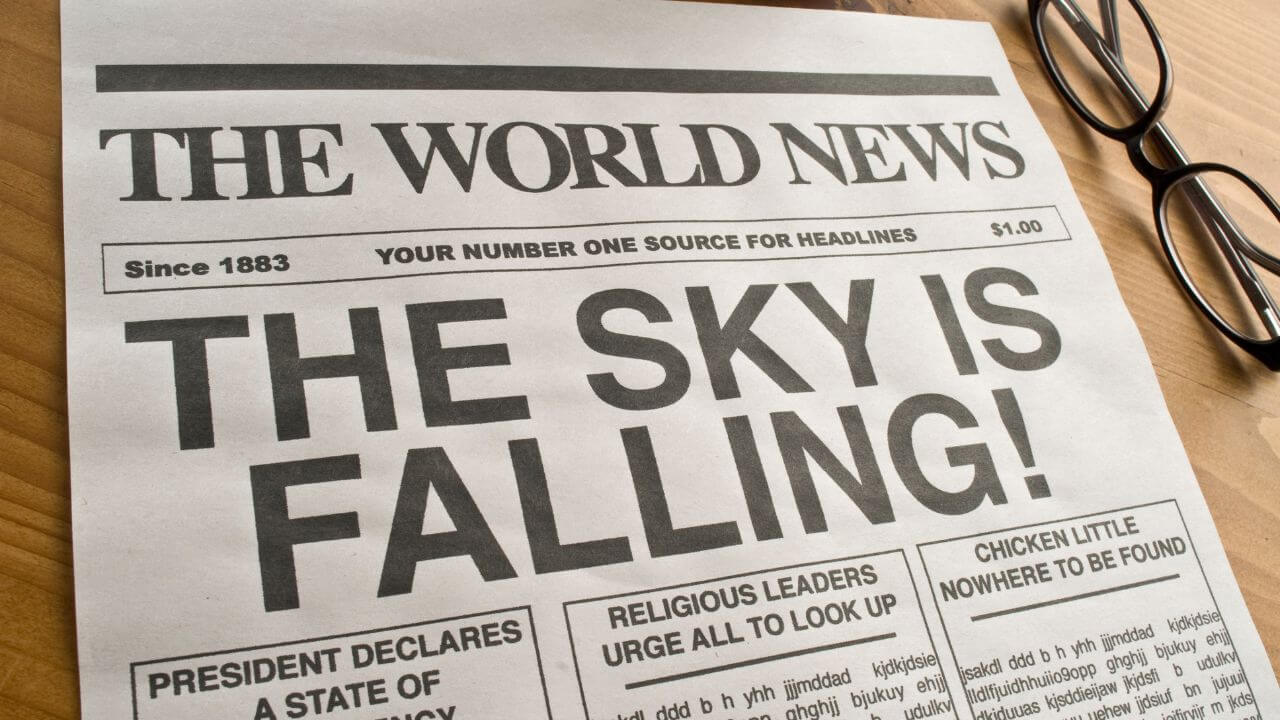
Attendance is falling, board members are screaming, word on the street is that the annual conference has had it, you are in a panic, the executive director wants a head on a pike, and you can hear her footsteps in the hall and your body trembles like Los Angeles during the big one.
Everyone wants changes, and they want it now because the show used to be the best and it used to be packed, and it used to be this, and it used to be that, and now it is nothing more than a giant suckhole taking up space in a major exhibit hall with no attendees.
You, in your desperation, head to the web to find what is new and what is hot, maybe you are reading it here or maybe over at Conferences that Work or Midcourse Corrections or Sound n’ Sight or here or there or everywhere. You are looking at new ways to deliver content, some gimmick that will put butts in the seats.
What are you going to do? Pecha Kucha? A Green Meeting? Maybe you will turn the whole thing into a giant TEDFest and spend thousands of dollars on live webcasting the event??? Maybe we change the venue or the city or the…
Slow down Sparky, maybe you should calm down and go have a beer and think about a few things first before you overreact and drive a stake through the heart of the event by spending your last few resources on shit you don’t need. .. Maybe, the problem is in the message, not the program.
The problem may simply be that no one is listening anymore because the message is falling on deaf ears or worse, is not being heard at all.
If your association, organization or conference committee is like hundreds of others around the globe that is still relying on your 10-year-old email database and a printed, mailed-out newsletter or brochure to project your message, you have probably lost about 75-80% of your audience and that could be one of the major factors in the 50% decline in attendance.
Communication has changed, and the ol email crapfest and the printed brochure is no longer a staple, they are no longer the basis and in fact, you can probably stop printing the brochure and put that money to use somewhere else, nobody wants it anymore.
Let’s take a breath and have a look at the basics and these are the new basics now, this is not some newfangled thingy that people are experimenting with, this is the minimum that you need to be doing or you might as well hang up your spurs because this horse has left the barn and is galloping across the field… just because you are unwilling to saddle up does not mean the horse is going to wait for you.
At a minimum, you need to be speaking to your attendees and potential attendees on these platforms:
Think about this wonderboy; the numbers are greater, but if 14% of your audience is using Twitter, you are missing 14% of your audience if you do not speak to them on this platform.
If 25% of your audience is active on FaceBook (and that number is REALLY low) and you still think FaceBook is a fad, you should probably pack up your desk because someone else should be sitting there.
Social Media and the event planner are now merged, you can no longer escape it, you can no longer hide in a corner and hope that it goes away. I am sorry if you “don’t get” FaceBook or that you think “Twitter is stupid,” that is not your attendee’s problem and you had better learn to like it or at least learn to fake it. You fake being nice to your jerk neighbor every year at the block party; you can fake liking twitter too.
Engaging, learning, and being successful at Social Media is not hard, especially when you have an audience that WANTS to engage with you. You are not some hot new pair of jeans that needs to work and scrape to get their Social Media campaign off the ground because Levis is beating the crap out of them every day. You have a built-in audience that is ready to rock; they are just waiting for you to pick up the guitar.
Because you have a built-in audience that wants to engage, you have it easy. You can, and probably should start today. Go down to Barnes and Noble and get a copy of Facebook for Dummies and Twitter for Dummies. This should be more than enough to get started and get the technical stuff out of the way; the message part is up to you.
There are no tricks to social media; there is no “get rich” quick scheme. You must learn these platforms and engage with your audience in an honest and open way; I would even go so far as to tell you to throw the sales and marketing handbook out the window and stop putting window dressing on your declining attendance numbers. This was actually the topic of conversation a few days ago with a large group I was speaking to. One of our industry events is candy-coating their attendance figures and telling their audience how freaking rosy everything is and how wonderful they are. We get it; we know the truth, and we are talking… it is making them a joke, and it is hurting them even more. They are dying on the battlefield because they keep telling the medics they are fine.
Talk to your audience and let them know you know and that you still have the passion and the spark. Ask them for their thoughts, appoint an attendee committee that will help you uncover why attendance is dropping — Make this committee a virtual group through FaceBook perhaps.. see, it can be easy if you don’t panic.
Most importantly, although you can talk about attendance issues, DO NOT DWELL on attendance issues. Continue to be the expert in your field. 89.9% of your message should still back up the fact that you are the bomb when it comes to your industry. You should be informed, you should have the knowledge and you should have the authority to speak with authority.
Oh and by the way, when I say talk about the attendance issue, it does not have to be all doom and gloom. You can, and should talk about the positives. If your industry’s largest company just signed on again as a major sponsor, tell the world… if the coolest kids on the block are still coming over to your house to play ball, it is still game on, you are simply playing 3 on 3 rather than 9 on 9.
Some people may take issue with the fact that I say that you can “fake” it and to that, I say “hooey,” grow up, this is the real world… You can fake it at first, there is nothing wrong with that. Familiarity and understanding will make you like it or at least get good enough to tolerate it. You don’t like it now because you don’t understand it. When I first joined and became a member of the Twitterverse, I was much like you, over time however it has become an indispensable part of my life. I will cry if it ever goes away (not really, but I would be bummed).
A word of caution, if your event, conference, or association is new to the Social Media game, go slow and start with the basics, do not run out and start a YouTube Channel, or a Vimeo account, jump on FourSquare and have 800 icons on your homepage. You will end up failing if you do this and these may not even be what you need. Start with the basics, learn and understand them, and then you can make choices that will benefit you in the long run because this is a marathon, not a sprint. Social Media is here to stay so you might as well start to act like it.
Go out there and talk to your people, ask them what they want, ask them why they come, ask them why they don’t, ask them what they need…. yes, what they need.
If you stop the panic, sit down, think, and start to engage, you can right the ship, you can stop the purge, and create an event that everyone wants to attend. The choice is up to you, either you do it or someone else will.
